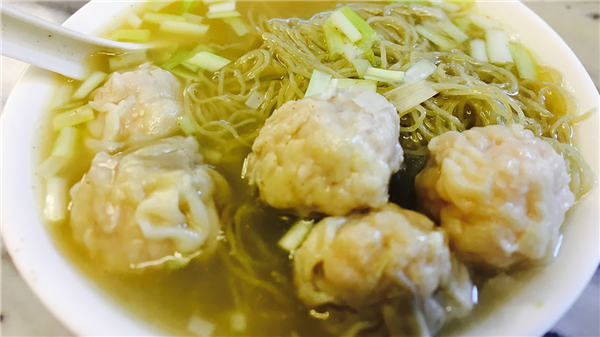
Wonton Noodles
Introduction
Wonton noodles, a beloved staple of Chinese cuisine, are a harmonious blend of savory wontons and delicate noodles, typically served in a flavorful broth. This dish is renowned for its versatile nature, as it can be enjoyed in various forms, whether in a comforting soup or as crispy, deep-fried treats. The wonton noodles are particularly celebrated in Guangzhou, Guangdong province, where the perfect amalgamation of a rich, umami-infused broth, firm yet al dente noodles, and soft, slippery wontons creates a culinary masterpiece that stands out in the city's rich culinary landscape.
History
Origin
Wonton noodles have their origins deeply rooted in the culinary traditions of southern China. The dish emerged as a staple in the Cantonese cuisine, with its origins tracing back to the Guangdong province. The wonton itself, a type of dumpling, has a long history in Chinese culture, traditionally filled with a mixture of minced pork and shrimp, and delicately wrapped in a thin dough. The introduction of noodles into the dish transformed it into a hearty meal, popular among locals and travelers alike. The combination of these elements in a savory broth highlights the Cantonese emphasis on freshness and balanced flavors.
Development
Over the years, wonton noodles have evolved, adapting to regional tastes and preferences. In Guangzhou, the dish achieved iconic status, with chefs perfecting the art of creating the ideal broth, a crucial component that distinguishes superior wonton noodles. The mastery of broth preparation involves hours of simmering ingredients like pork bones and dried seafood to achieve a depth of flavor that is both rich and light. Additionally, the preparation of the noodles, often incorporating duck eggs for added texture, has been refined to achieve the perfect bite. As the dish spread beyond Southern China, it underwent various adaptations, reflecting local ingredients and culinary techniques.
Ingredients
Noodles
The noodles used in wonton noodles are typically made from wheat flour and eggs, with some chefs incorporating duck eggs to enhance the noodles' texture and flavor. The dough is rolled out and cut into thin strips, resulting in noodles that are both delicate and resilient. The use of eggs gives the noodles a distinct yellow hue and contributes to their firm, al dente texture, which complements the softness of the wontons and the richness of the broth.
Fillings
The fillings for wontons are traditionally made from a mixture of minced pork and shrimp, seasoned with soy sauce, sesame oil, and other aromatic ingredients. This combination provides a savory and slightly sweet taste, characteristic of Cantonese cuisine. The ingredients are wrapped in thin wonton skins made from wheat flour, creating neat parcels that are boiled or steamed before being added to the dish. Variations of the filling may include the addition of mushrooms, chives, or water chestnuts, providing different textures and flavors.
Preparation
Cooking Techniques
The preparation of wonton noodles involves several key cooking techniques. The broth, a cornerstone of the dish, is typically prepared by simmering a combination of pork bones, dried shrimp, and other ingredients for several hours. This slow-cooking method extracts the maximum flavor, resulting in a broth that is both rich and aromatic. The wontons are crafted by wrapping the filling tightly in wonton skins, and then boiled or steamed until cooked through. The noodles are blanched separately in boiling water just before serving to ensure they maintain their preferred texture.
Serving Styles
Wonton noodles can be served in several styles, catering to different preferences. The most common style is in a bowl of hot broth, where the noodles and wontons are submerged in the savory liquid and garnished with scallions or other herbs. Alternatively, the dish can be prepared as "dry" wonton noodles, where the noodles are tossed with a light sauce and the wontons are served alongside. In some variations, the wontons may be deep-fried, offering a crispy texture that contrasts with the softness of the noodles.
Regional Variations
Cantonese Style
The Cantonese style of wonton noodles is characterized by its emphasis on a clear, flavorful broth and the use of springy egg noodles. In Guangzhou, where this style originates, chefs take great pride in crafting a broth that is both savory and umami-rich, often using dried seafood to enhance the flavor. The wontons in this style are typically filled with a simple mixture of pork and shrimp, allowing the freshness of the ingredients to shine through.
Southeast Asian Variations
In Southeast Asia, wonton noodles have been embraced and adapted to local tastes. In countries like Singapore and Malaysia, the dish is often served "dry", with the noodles tossed in a savory sauce and accompanied by a separate bowl of broth. Local variations may incorporate additional ingredients such as char siu (barbecue pork), vegetables, or different types of chili sauce for added spice. The vibrant hawker culture in these regions has also contributed to the rich diversity of the dish, making it a popular choice among locals and tourists alike.
Cultural Significance
Wonton noodles hold a significant place in the cultural tapestry of the regions where they are enjoyed. In Guangzhou, they are a symbol of the city's rich culinary heritage, reflecting the Cantonese passion for balanced flavors and fresh ingredients. In Singapore, the dish exemplifies the multicultural nature of the country's cuisine, offering a common ground for diverse ethnic groups to enjoy and appreciate. The dish also serves as a cultural bridge, promoting understanding and appreciation through the shared experience of enjoying a simple yet delicious meal.
Popularity Worldwide
Wonton noodles have gained international popularity, becoming a beloved dish in Chinese restaurants around the world. Their appeal lies in their versatility and the comforting nature of the dish, which can be adapted to suit various tastes and dietary preferences. The globalization of Chinese cuisine has introduced wonton noodles to a wide audience, making them a staple in many countries and a popular choice for those seeking an authentic taste of Cantonese cooking.








